
Lorem ipsum dolor sit amet, consectetur adipiscing elit, sed do eiusmod tempor incididunt ut labore et dolore magna aliqua.
Stump Grinding & Removal in Chesnee & Spartanburg, SC
Old stumps ground below the surface so you can mow, plant or build again, with the chips raked up and the ground left level.
Stump grinding & removal
Get your yard back from old stumps
A stump left behind after a tree comes down rarely stays harmless for long. It catches mower blades, sends up sprouts, draws wood-boring insects as it rots and takes up space you could be using. Our crew in Chesnee, South Carolina grinds stumps of every size, from a single ornamental tree to a row of old pines along a fence line.
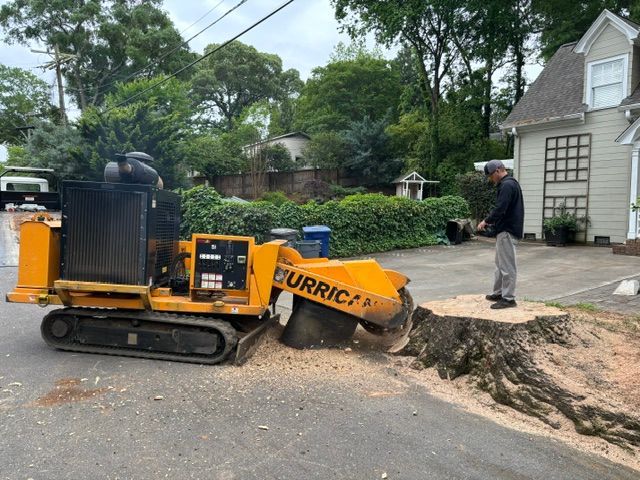
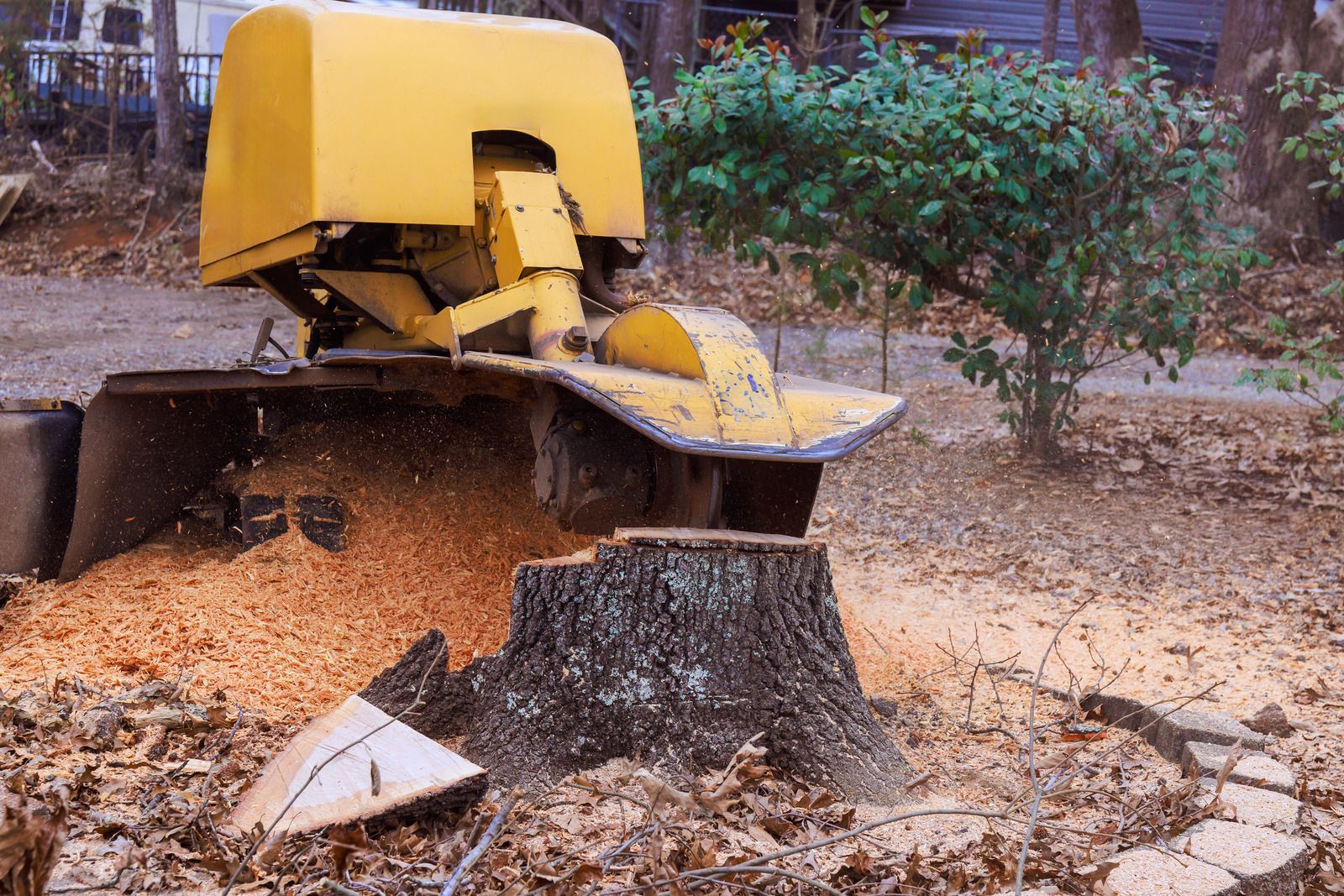
Grinding is the quickest, least disruptive way to deal with a stump. A heavy cutting wheel chews the wood into chips a little at a time, working across the top and down below the soil line, so there is no need to dig out the whole root ball. Our compact and tracked grinders can reach many backyards without tearing up the lawn on the way in.
Stump grinding pairs naturally with our tree removal service, but we are just as glad to handle stumps someone else left behind. If wind has knocked down trees across your property, our storm damage cleanup crew can clear the trunks and grind the stumps on the same visit. Ask for a free estimate and we will look at every stump with you.
Serving Chesnee and Upstate South Carolina
Why grind it out
Reasons homeowners remove stumps
Some people live with a stump for years before deciding it has to go. These are the reasons we hear most often when the call finally comes.
Mowing around obstacles
Stumps hidden in tall grass bend mower blades and force awkward trimming every single week. Grinding them out lets you mow in straight, easy lines again.
Sprouts that keep coming back
Some trees, including many sweetgums, maples and Bradford pears, can push up new shoots from the stump and roots. Grinding removes the growing point so the cycle stops.
Insects and decay
As a stump softens, it can attract carpenter ants, beetles and termites looking for an easy meal. Removing it takes away a food source sitting close to your home.
Tripping hazards
Low stumps in play areas and along walkways are easy to miss, especially at dusk. Grinding them below grade makes the yard safer for kids, guests and pets.
Room to replant
A ground stump leaves loose soil and chips that can be raked out and topped with fresh soil, ready for new grass, a flower bed or a young tree nearby.
Projects and curb appeal
Fences, patios, driveways and additions often run right through an old stump. Clearing it first makes construction simpler and the finished yard look cleaner.
Our process
How stump grinding works
Grinding a stump is quick work, but doing it cleanly takes preparation and real care around everything nearby.
01
Look and measure
We check the width, height and location of each stump, note nearby structures and plantings, and agree on how deep to grind and what should happen to the chips.
02
Mark what is underground
Buried utilities are marked through South Carolina's 811 call-before-you-dig system, and we ask about irrigation lines, lighting cables and pet fences around each stump.
03
Cut it down low
Tall stumps are trimmed close to the ground with a chainsaw first, which speeds up grinding and keeps the pile of chips smaller and tidier.
04
Grind below grade
The spinning wheel sweeps back and forth across the stump, lowering it a little with each pass until the wood sits below the soil line and the main surface roots are cut.
05
Guard the surroundings
We keep the area clear of people and, where it makes sense, set up guards or tarps so flying chips and small stones stay away from windows, cars and flower beds.
06
Rake out and level
Chips are raked back into the hole or hauled away, and the spot is leveled so you can add topsoil and seed, lay sod or plant whatever comes next.
Stump guide
How much of a stump does grinding remove?
Stump grinding removes the visible stump and the wood just below the soil line, along with the tops of the main roots that spread out from it. Deeper roots stay in place, where they slowly break down in the soil. For lawns and most planting, that is all you need, and it disturbs far less ground than digging.
If you plan to set a patio, footing or new tree in the exact same spot, mention it during the estimate. We can grind deeper in a targeted area and chase surface roots running toward a structure, so the space is ready for what comes next.
Grinding or full stump removal?
Grinding takes the stump below grade and leaves deep roots to decay naturally.
Full removal pulls the root ball out, which needs heavier equipment and leaves a large hole.
Grinding is the right fit for most lawns, garden beds and play areas.
Full removal can make sense before building directly over the old root zone.
Either way, the remaining hole is filled and leveled so the area is usable again.
We explain which option suits your plans before any work begins.
Planning to dig after grinding? Contact South Carolina 811 a few days ahead so gas, power, water and communication lines are marked before you or anyone else breaks ground. It is a free service, and it protects everyone working in the yard.
What happens to the wood chips after grinding?
Grinding turns a stump into a mound of mixed wood chips and soil, usually more material than people expect. We can rake the chips back into the hole, spread them as mulch around nearby beds or haul them away so you can start with clean topsoil. Fresh chips are not ideal under new grass, so for lawns we suggest removing most of them.
As leftover chips and buried roots decay, the ground over an old stump can settle a little. Adding a bit of extra soil to the spot after a few months keeps the lawn smooth and level.
Can a stump be ground in a tight or sloped spot?
In most cases, yes. Compact grinders fit into narrow side yards and behind fences, and a tracked machine holds its footing on slopes where wheels would slide or rut the turf. Stumps wedged against walls, foundations or rock outcrops may need extra hand work around the edges, and we will point that out before we start.
Surface roots that snake across the lawn can usually be ground along their length as well. Let us know which ones trip you up or catch the mower, and we will follow them out as far as it makes sense for your yard.
Local know-how
Why do stumps in Upstate red clay take extra care?
The dense red clay found across the Upstate holds moisture and keeps a stump and its roots firmly anchored for years. Clay also packs onto the grinder wheel and hides rocks that can be thrown if the work area is not controlled. Grinding in clay takes patience, sharp teeth and steady passes rather than raw speed.
Pine stumps behave differently from hardwoods. They are often resinous with shallow, spreading roots, while old oak stumps are dense and can have large buttress roots flaring out at the surface. We adjust the depth and width of the grind for each one.
How to prepare for your grinding visit
Tell us about irrigation heads, underground pet fences and lighting near the stumps.
Move vehicles, planters and furniture a safe distance from the work area.
Unlock gates and make sure there is a clear path for compact equipment.
Keep children and pets indoors while the grinder is running.
Decide whether you want the chips left as mulch or hauled away.
How soon can I use the area after grinding?
Right away for most purposes. Once the chips are raked out and the hole is filled, you can walk on the spot, mow around it and plan your next step the same day. For a new lawn, spread a few inches of quality topsoil, tamp it lightly and seed or lay sod. Expect a little settling over the next season and top it off as needed.
For flower beds, leaving some chips mixed into the soil is fine as long as you add compost and a balanced fertilizer. Want to see finished work first? Look through our recent projects from yards across Spartanburg and Cherokee counties.
Client reviews
What our clients say
Our 170+ five-star reviews on Google and HomeAdvisor come from neighbors who wanted the job done right the first time, whether that meant one stubborn stump or a full day of tree work and cleanup.
Related services
Pair stump grinding with these services
Take the tree and the stump in one visit. We lower the tree in sections, then grind what is left before we pack up.
After wind or ice, we clear fallen trunks and scattered limbs, then grind the stumps the storm left behind.
Old shrub rows leave woody root crowns behind. We cut the hedge down and grind out the roots for a clean, plantable strip.
Stump grinding near you
Free estimates
Ready to grind out those stumps?
Count your stumps, snap a few photos if you like and reach out. We will stop by, look at each one with you and give you a clear, free estimate. Licensed, insured and backed by 30 years of combined experience.
Stump FAQ
Questions about stump grinding
What to expect from grinding day, the roots that stay behind and the space you get back. Have a question we missed? Bring it to your free estimate.
How long does it take to grind a stump?
Many average yard stumps take an hour or two, sometimes less. Large hardwood stumps, groups of stumps, rocky ground or tight access can stretch that out, and setup and cleanup add a little time on either end. During the estimate we look at each stump and give you a realistic idea of how long the visit will take, so you can plan your day.
Can you grind a stump right next to a house, fence or driveway?
Usually, yes. The grinder works from the side of the stump, so we can often get close to a foundation, fence post or slab. We slow down near hard edges, shield the area and finish tight corners carefully. If a stump is wedged directly against a wall or under a structure, we will explain what can safely come out and what should stay.
Will the roots keep growing after grinding?
In most cases, no. Once the stump is ground below grade, the tree has no leaves to make food, and the remaining roots slowly decay. A few species can push up root sprouts for a season afterward. Mowing or snipping those shoots as they appear wears out the root system quickly, and they rarely become a lasting problem.
Can I plant a new tree where the old stump was?
You can, but it is usually better to plant a few feet away. Decaying roots and leftover chips can tie up nitrogen in the soil and make the ground settle as they break down. If you want a tree in that exact spot, we can grind deeper and wider, and you can replace the chips with good topsoil before planting.
Do you grind stumps left by another company?
Absolutely. Plenty of stump jobs come from homeowners who had a tree cut years ago or bought a property with old stumps already in the yard. Age does not matter much to the grinder. Partly rotted stumps often go faster, while dried-out hardwood can take a little longer. Just let us know how many there are and roughly how big they are.
Should I wait for a stump to rot before grinding it?
There is no need to wait. Natural decay can take many years, and in the meantime the stump can sprout, draw insects and get in the way of mowing. Grinding works on fresh and old stumps alike. If you are planning landscaping or construction, clearing stumps first lets the rest of the project move forward without detours.